VIE
VIE ENG
ENG

Based on the chemical and physical properties of the product, dangerous goods are classified into the following categories:
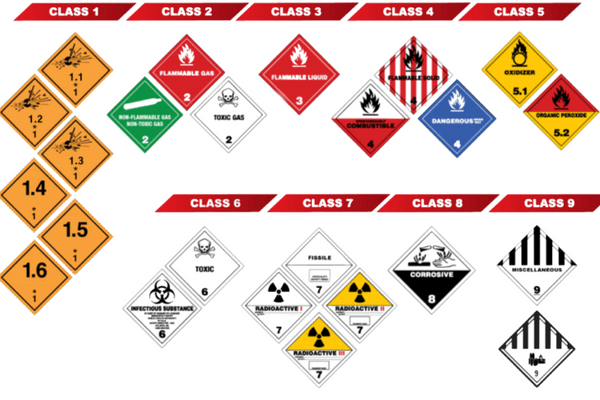
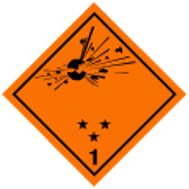
Class 1: Explosive materials
Ranging from safe ammunition to those at risk of mass explosion.
Type 1 is classified into the following groups:
1.1. Substances at risk of mass explosion.
1.2. Substances with flash hazard, no risk of mass explosion
1.3. Including substances with fire and small explosion risks.
1.4. Substances for which the degree of danger is negligible.
1.5. Less sensitive substances (less likely to cause explosion under normal environmental conditions) but if subjected to special impacts, there is a risk of mass explosion
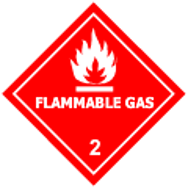
Class 2: Gases
Includes compressed air, liquid gas, dissolved by pressure. This type can be explosive, burning, toxic, corrosive or oxidizing. There are types that are non-toxic but cause asphyxiation when the content is high. Some types can cause chemical reactions under certain conditions that release dangerous heat and gas vapors.
Type 2: Divided into the following groups:
2.1. Including flammable gases.
2.2. Including non-combustible gases.
2.3. Including toxic gases.
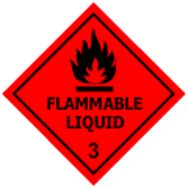
Class 3: Flammable Liquids
This type is easy to evapotransit, causing fire, sometimes toxic vapors, especially some substances with a low fire point. This type slightly forms a combustible mixture, which, when mixed with air, can lead to an explosion or ignition. Lights that do not have protective cover must be stowed.
Type 3 is divided into the following groups:
3.1. Substances with ignition point < - 180F (00C)
3.2. Substances with ignition point from - 188F (00C) to 730F (230C)
3.3. Substances with flash point > 730F (230C)
Class 4: Flammable Solids
Type 4 is bottled into groups:
4.1. Flammable solids caused by external heat sources
4.2. Solids capable of self-ignition.
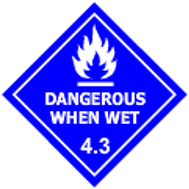
4.3. Including substances when in contact with wastewater to emit flammable gases.
Class 5: Oxidising Substances and Organic Pesticides
This class is divided into two subdivisions and covers agents that react with oxygen and organic pesticides
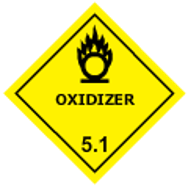
5.1. Includes substances that are not capable of self-ignition, but may produce oxygen that increases the likelihood of9 burning other materials to which they are exposed.
5.2. Including thermally unstable substances, which can decompose and self-accumulate heat, with the following properties:
+ Decomposition causes explosion
+ Quick fire
+ Sensitive to friction or collision
+ Dangerous reactions to other substances
Class 6: Toxic and Infections Substances
Class 6 is divided into two subdivisions and includes substances such as cyanide, arsenic, vaccines and pathology specimens.
6.1. Substances that are damaging or deadly if ingested, inhaled or contacted through the skin.
6.2. Infectious substances.
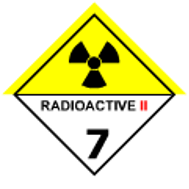
Class 7: Radioactive Materials
It is necessary to comply with international regulatory standards when packing, transporting and loading
Class 7 covers materials that have a specific activity greater than 70 kilobecquerels per kilogram.
Class 8: Corrosive Materials
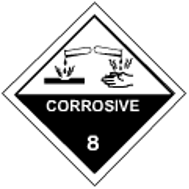
Can be liquid or solid. The most common property is serious damage to living tissues, damage to equipment and other goods, some of which when heated can evaporate toxic. Corrosive items include battery acids, sulfuric acid and mercury
Class 9: Miscellaneous
Other dangerous substances. The class does not have any subdivisions but comprises any substance that may pose a danger during air transport that isn't covered by the other classes. This includes items with anaesthetic properties, solid dry ice, asbestos, life rafts and chain saws.